World's Best Smart Hospitals
2025
Newsweek · Statista
Cell & gene therapy manufacturing · Riyadh
Nahda Cellworks is an academic-hybrid contract development and manufacturing organisation for advanced therapy medicinal products, founded in collaboration with King Faisal Specialist Hospital & Research Centre under the National Biotechnology Strategy.
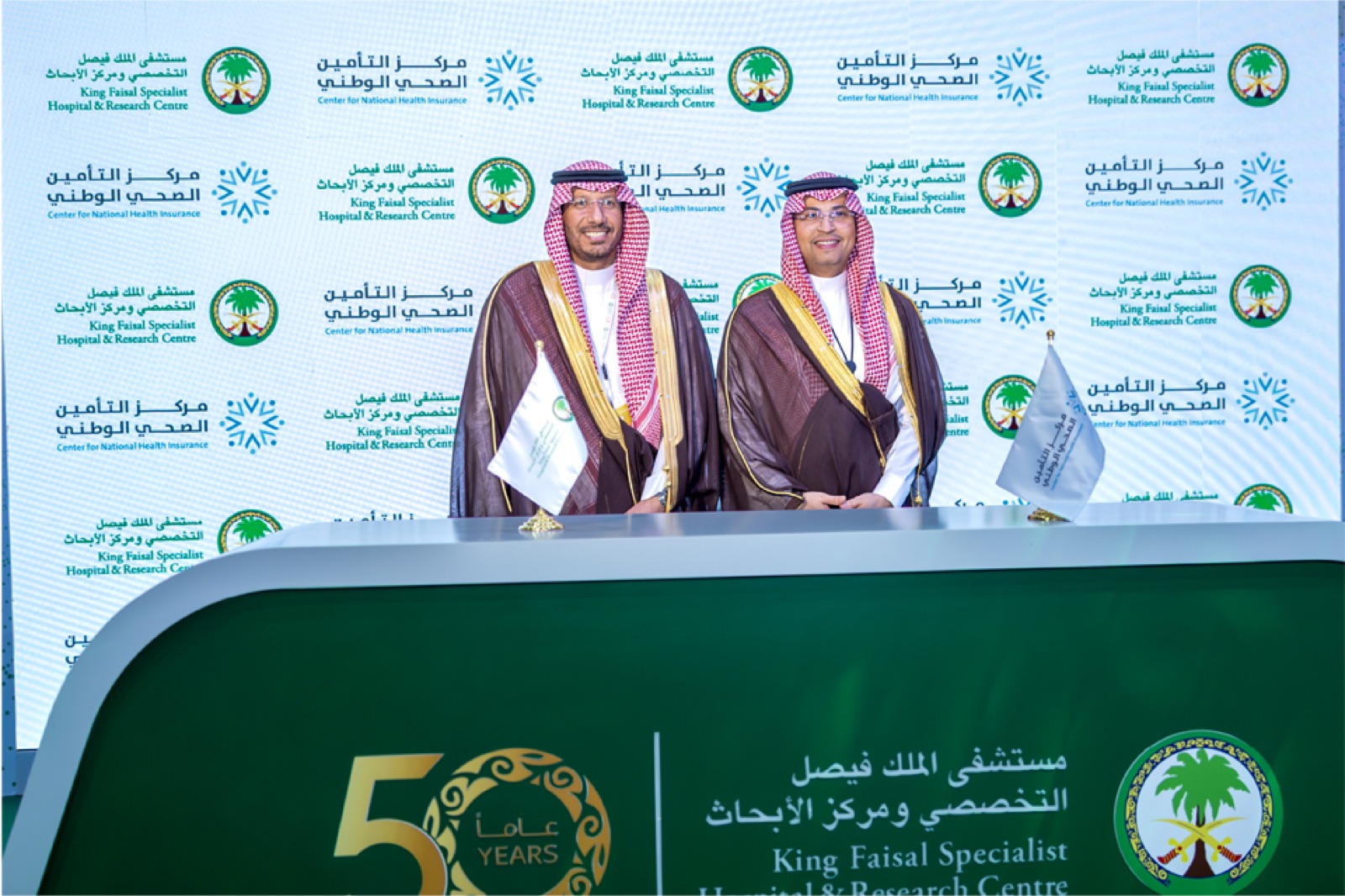
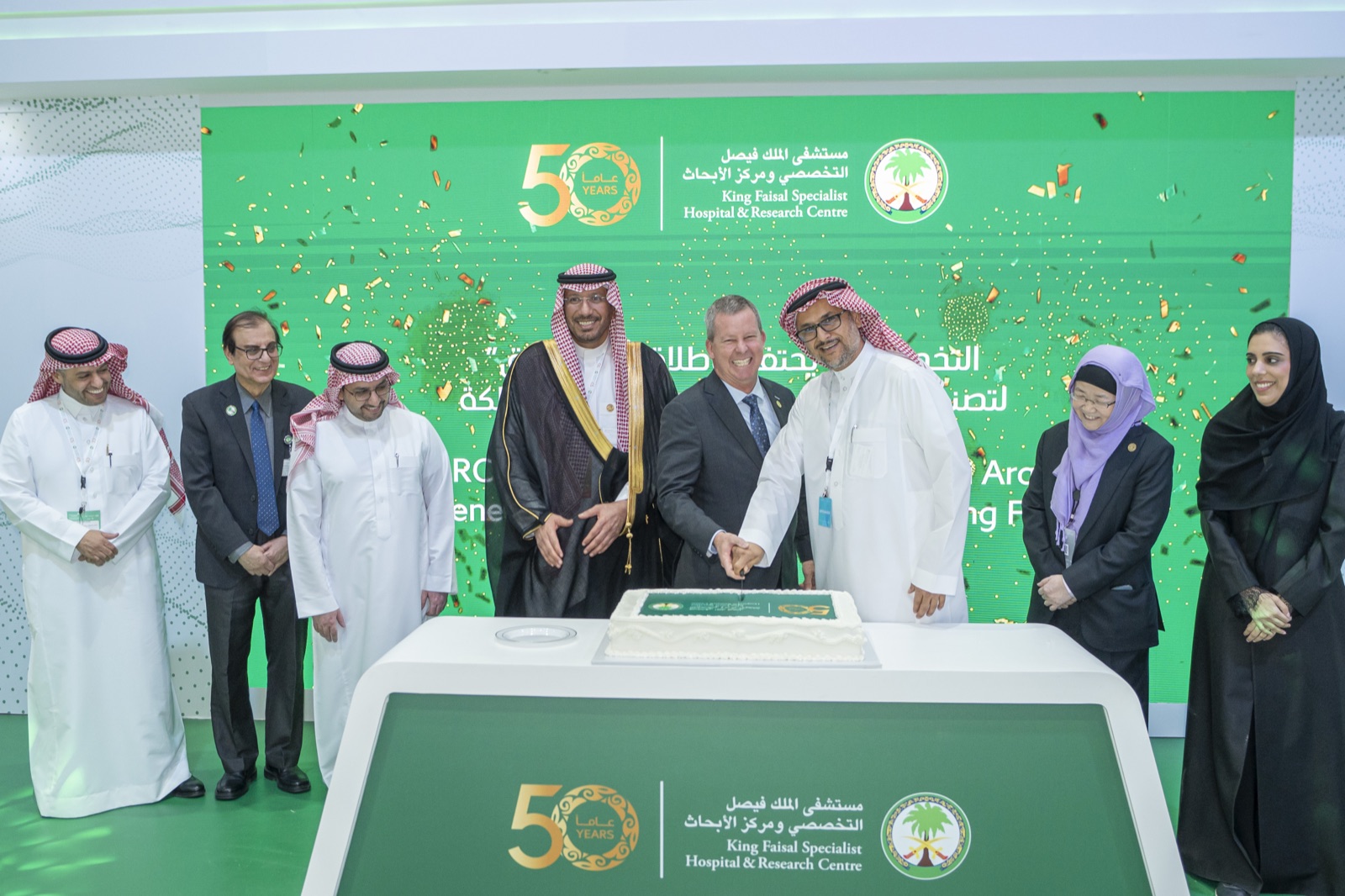
Saudi Arabia's flagship Joint Commission-accredited academic medical centre — ranked No. 1 in the Middle East & Africa and 15th globally among academic medical centres (Brand Finance 2025), Newsweek World's Best Smart Hospitals 2025, the Kingdom's highest-volume cell-therapy program, with 50+ years of clinical-research leadership across oncology, transplantation, and genomic medicine.

Within the KFSHRC ecosystem
Nahda Cellworks is the dedicated ATMP arm of King Faisal Specialist Hospital & Research Centre — Saudi Arabia's flagship tertiary/quaternary academic medical institution. Strategy, scientific direction, and patient pipelines flow through KFSHRC governance; manufacturing discipline, independent quality, and SFDA reporting flow through the standalone-entity board.
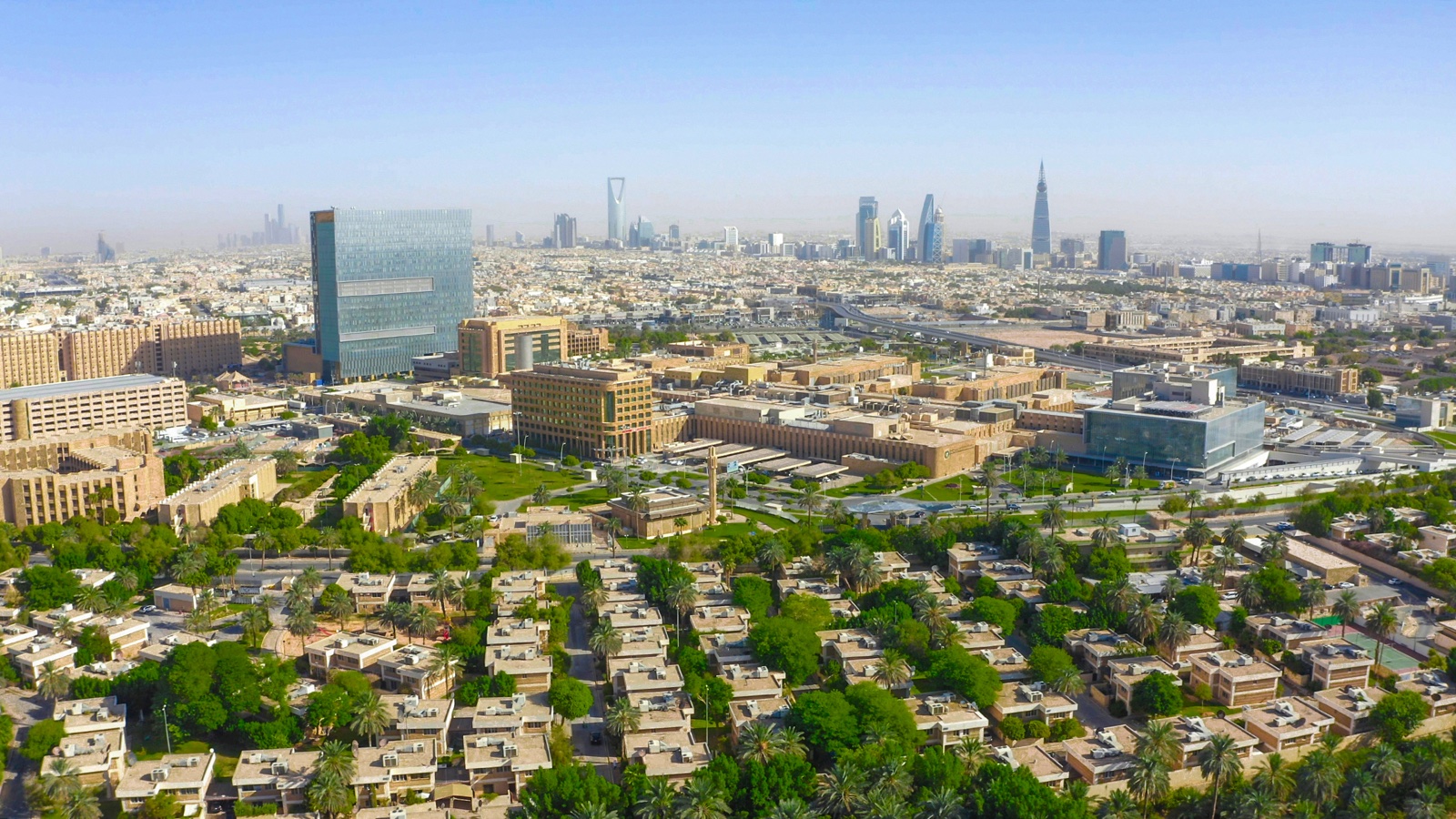
Saudi Arabia's flagship academic medical institution and the parent system of the Academic Hybrid CDMO. Source: KFSHRC / Arab News
KFSHRC recognitions
World's Best Smart Hospitals
2025
Newsweek · Statista
Nature Index research output
2025
Nature Index
First JCI-accredited hospital in Saudi Arabia
Since 2002
Joint Commission International
Capabilities
Nahda Cellworks is the MENA region's first integrated Advanced Therapy Medicinal Product (ATMP) manufacturing campus — a multi-modality cell and gene therapy facility supplying clinical and commercial-scale production for Saudi Arabia, the Middle East, and beyond. The facility activates in clusters, gated by capability and demand. Each suite is designed for multi-modal CGT production under a single quality system, a single tech-transfer methodology, and an independent quality reporting line — with regulatory alignment to SFDA, EMA, and FDA standards from day one.
CAR-T · Mesenchymal Stem Cells
Autologous and allogeneic CAR-T manufacturing alongside mesenchymal stem-cell (MSC) products. Closed-system processing built to clinical-batch scale with the analytics and release framework that makes each lot SFDA-credible.
HSC gene therapy · LV & AAV vector
Haematopoietic stem-cell gene therapy for haemoglobinopathies and other priority indications, underwritten by in-house lentiviral and AAV vector manufacturing that serves both internal pipeline and regional academic demand.
Capacity for growth · Custom client work
Modular suites activated for contract development and manufacturing services to external sponsors, regional biotech partners, and the commercial scale-up of qualifying internal programs. Designed so growth never requires re-architecting the quality system.
Facility & Compliance
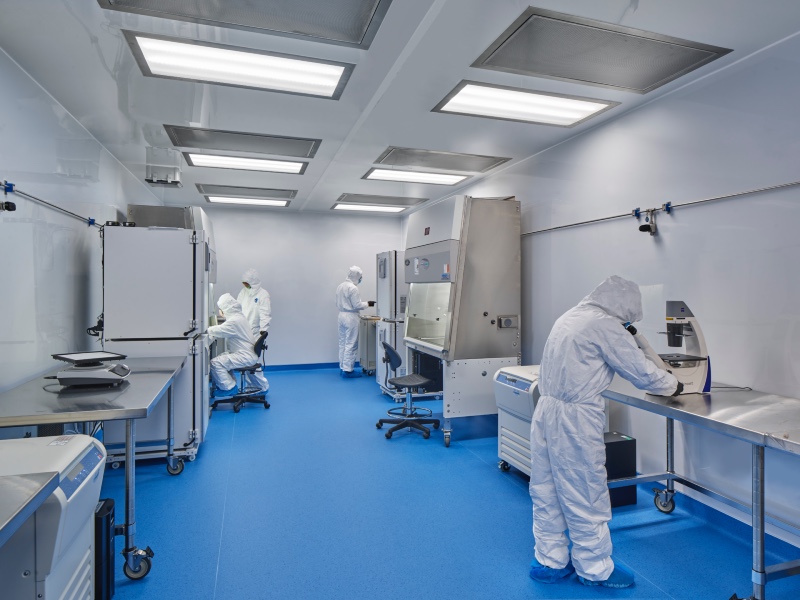
Two-floor built-up area. Modular cleanroom platform — factory-built, on-site assembled — accelerates commissioning and reduces construction risk. Operational handover Q1 2027.
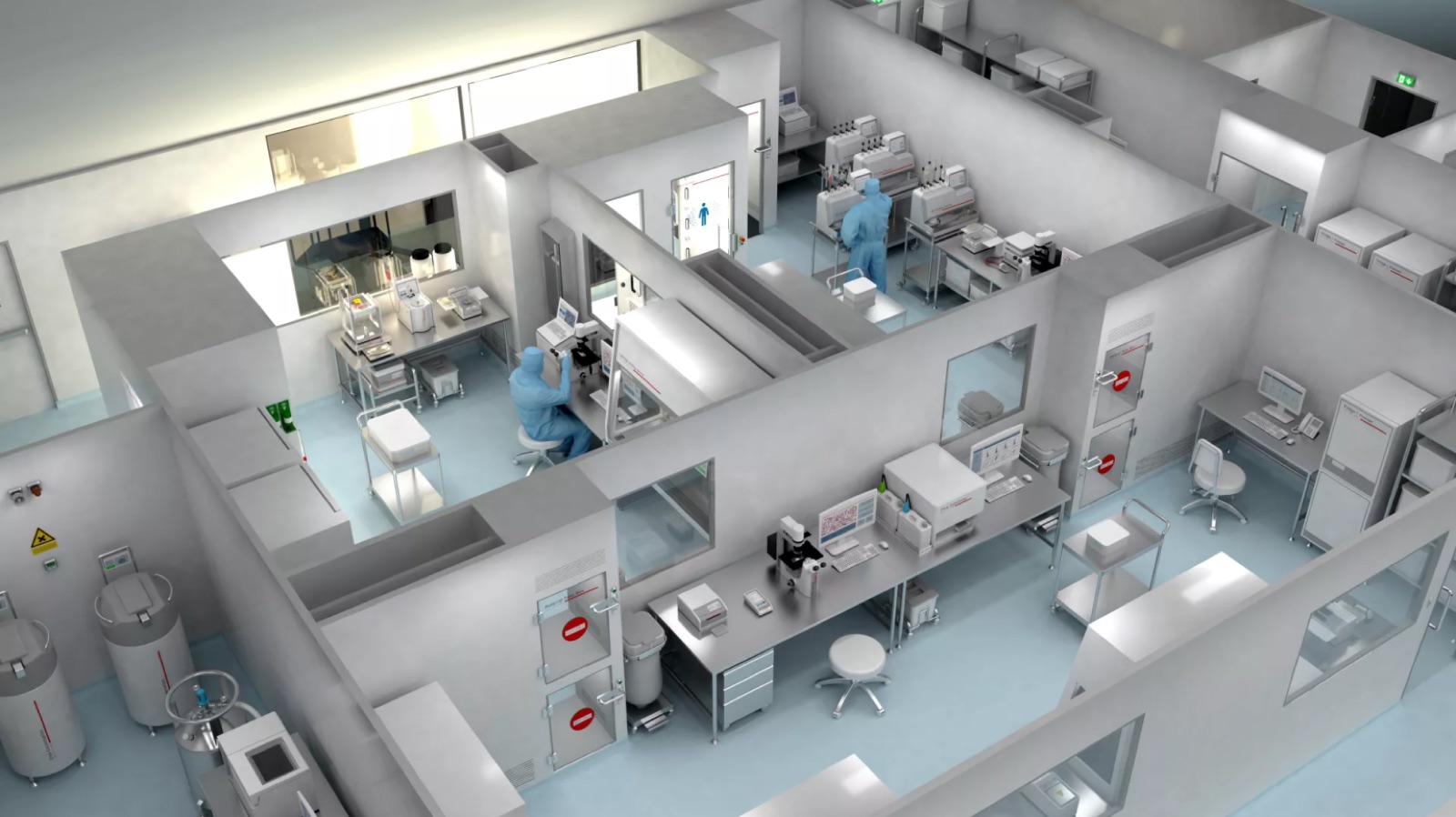
16 GMP production suites — 4 per therapeutic cluster — plus dedicated QC laboratories, cold storage at −196 °C, and warehouse zones. All production suites: Grade B background with Grade A critical zones at biosafety cabinets.
EU GMP Grade B background with Grade A for open manipulations, supported by ISO 7 / ISO 5 BSC environments. Closed-system processing where modality permits — reducing classification burden and contamination risk.
The Academic-Hybrid model
Discovery and manufacturing require fundamentally different mindsets. The Wall is the structural separation that preserves discovery velocity on one side and manufacturing discipline on the other — connected by governed handoffs and independent quality reporting.
Discovery-driven sandbox. Hospital and academic collaborators on TRL 1–5 work, with industry partner co-development.
Process development at lab scale. Scale-up engineering trials, analytical method development, tech-transfer documentation.
Validated manufacturing only. Batch release, quality systems, SFDA cadence, independent QA reporting line outside operations.
How we are governed
Three anchors decide every modality, every contract, every capacity request. A neither-hospital-nor-pure-CDMO operating model — the only structure that protects all three simultaneously.
Hospital pharmacy lacks scale and cadence. Tech transfer becomes improvised; partnership credibility never accrues; patient mission becomes capacity-bound.
Pure CDMO disconnects from mission. The clinical-research loop severs; patient priority becomes secondary to margin; the Vision 2030 anchor role is forfeited.
Hybrid Academic-CDMO is a new species for cell therapy: research-anchored, GMP-disciplined, patient-led, partner-orchestrating. The competitive moat capacity cannot match.
Every modality, partnership, and capacity request passes three filters in order:
Filter 01 · Clinical fit. Real patient need at KFSHRC plus credible capability today, or an obvious extension of it.
Filter 02 · Demand and sustainability. Credible volume path that pays its own way within the activation horizon.
Filter 03 · Strategic anchor. Strengthens the regional ATMP hub identity and serves the National Biotechnology Strategy.
Three passes → yes. Two → not yet, with conditions. One or zero → not now. The framework decides; the framework is the answer.
Leadership
The facility is sponsored by King Faisal Specialist Hospital & Research Centre, with executive oversight through KFSHRC leadership and a dedicated ATMP Program Committee. Site Head and Quality Site Head report independently to the standalone-entity board through 2030, after which the facility re-integrates into KFSHRC governance under the ATMP Program Committee. Operating-team announcements are timed to facility commissioning gates.
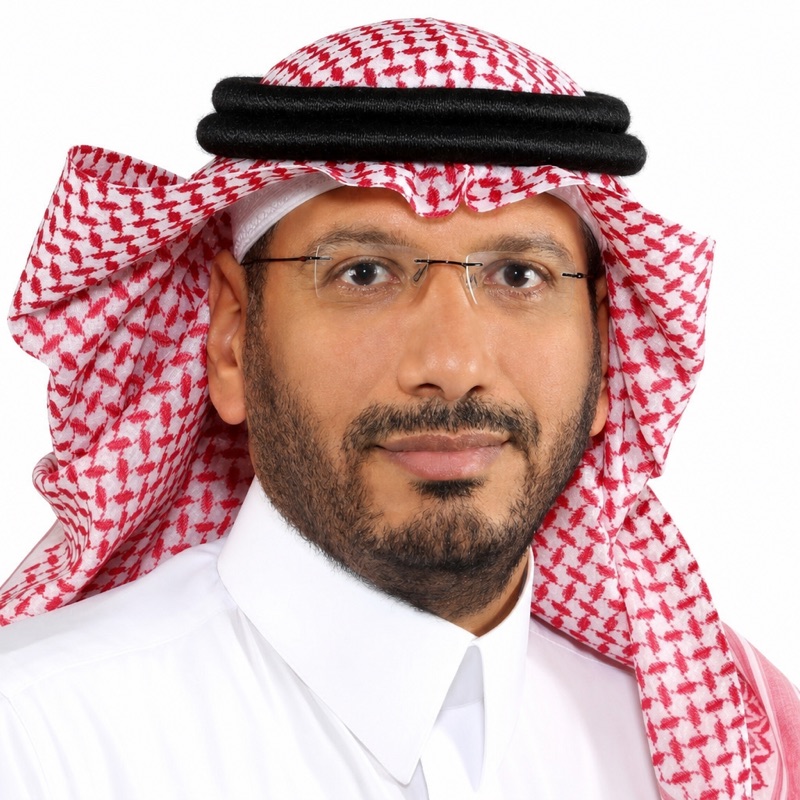
His Excellency
Chief Executive Officer & Board Member
King Faisal Specialist Hospital & Research Centre
Pediatric cardiologist and electrophysiologist appointed CEO in 2017. Leads KFSHRC's Vision 2030 transformation across oncology, transplantation, genomics, and cell & gene therapy. Previously advisor to the Vision Realization Office, Saudi Ministry of Health.
LinkedIn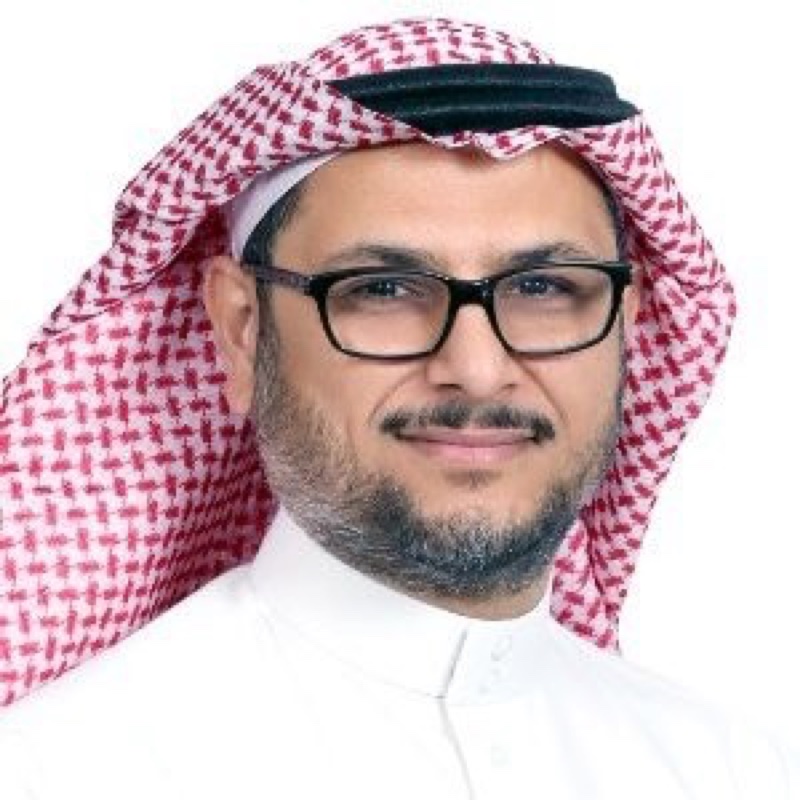
KFSHRC Executive
Assistant to the Chief Executive Officer
King Faisal Specialist Hospital & Research Centre
Senior physician-executive bridging medical informatics, clinical operations, and CEO-office strategy. Former Chief Information Officer / Chief Medical Information Officer at KFSHRC; Harvard Business School AMP graduate; certified director.
LinkedIn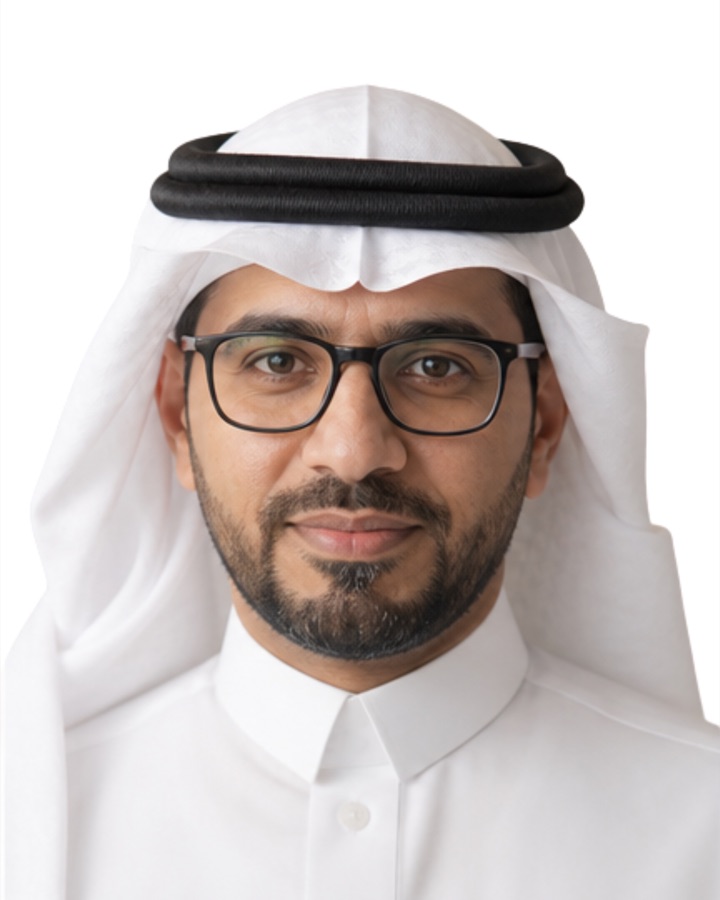
Operating Team
General Management
Reports to the standalone-entity board
Operator-provided through Years 1–3 under the Build-Operate-Transfer mandate. Saudi successor in 1:1 pairing from Year 3 onward.
Announcement Q3 2026
Operating Team
Independent Quality
Reports outside operations, board-direct
Independent reporting line to the standalone-entity board. Saudi successor pairing matches site-leadership cadence; quality independence preserved through the transition.
Announcement Q4 2026
Operating Team
In-Licensing & CDMO BD
Saudi-track from day one
Owns the BD pipeline, in-licensing negotiations, CDMO contract evaluation, and out-licensing of KFSH-developed IP. Sits inside the standalone entity through 2030.
Announcement H1 2027KFSHRC parent-institution leadership shown for governance reference; public titles and photos drawn from official sources, with engagement contingent on KFSHRC executive approval. Operating-team portraits are illustrative imagery for the working brand preview — final photography will replace these placeholders following the scheduled announcements.
Insights
Patient mission, financial sustainability, and regional prominence cannot all be served by a hospital pharmacy or a pure CDMO. The hybrid is the structural answer — not a compromise.
Read the framing →Allogeneic platforms, gene editing beyond Casgevy, and Saudi haplobank programs all converge on a single capability: regional LV vector supply. The case for activating Cluster 02 alongside Cluster 01.
Read the brief →Saudi Arabia's renewal is half a century old — public education, KFSHRC's founding in 1975, the modern medical research base. Nahda Cellworks is the biotech chapter of that continuing nahda.
Read the essay →For in-licensing enquiries, CDMO contract discussion, or academic collaboration on advanced therapies in the MENA region.
partner@nahdacellworks.com